COMMONSCUT

Issue No. 1 · Oct 28, 2026

The strange stories behind familiar classics

What you can (and can’t) use from Dracula and Frankenstein

Halloween 2026. About a 7-minute read. Not legal advice.

Sixty-five days from now, at midnight on January 1, 2027, the two most famous horror films ever made, Universal's Dracula and Frankenstein (both 1931), enter the U.S. public domain. Here's the short version: the films are free, but the brands, a famous face, and a 1998 score are not.

The countdown

65

Days

until midnight,
January 1, 2027

Already in the commons

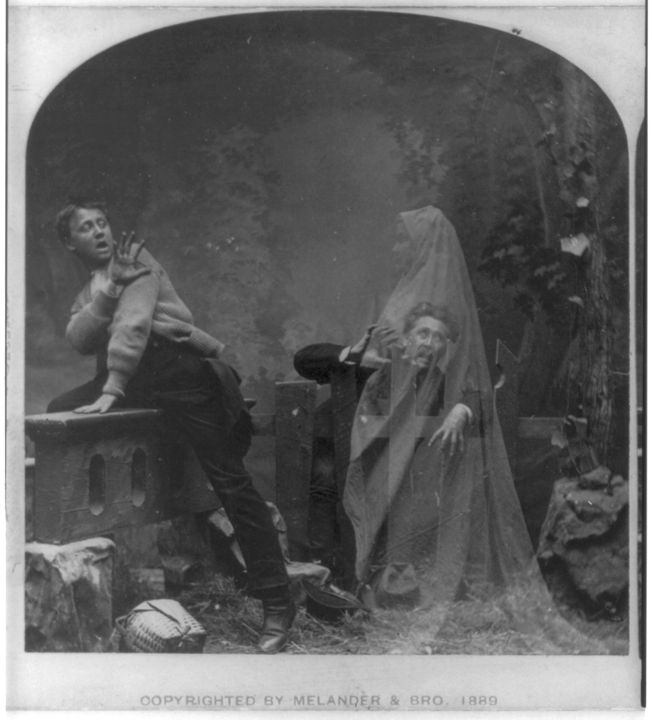
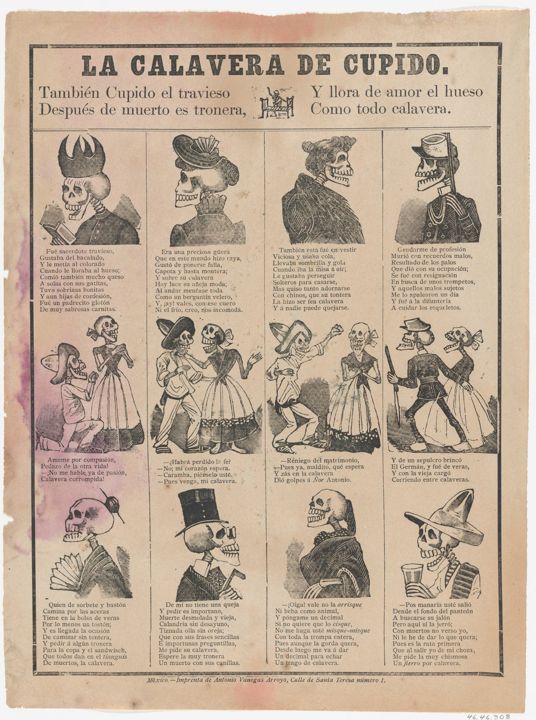
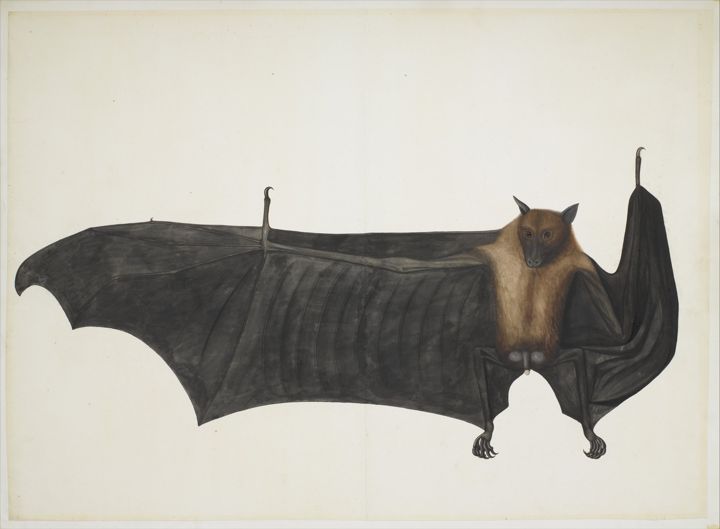
🎃 Free right now: Halloween art you can use today

These are already free-to-use or CC0 items, pulled by our own feeds this week. Each link is the archive's record page (your receipt).

🎃 See all 39 free Halloween images, with full-size downloads

LoC labels items in its Free to Use sets as free to use. The individual records we spot-checked say "No known restrictions on publication." Met Open Access images are CC0 (metmuseum/openaccess), and Smithsonian items were filtered to CC0 only.

The Director's Cut, Piece No. 1: The Dare at Villa Diodati. Frankenstein Had a Brother.

For members

🎬 The Director’s Cut: join by December 31

The free issue tells you what you can use, and The Director's Cut tells you the true history behind it: the people, the rivalries, and who got the credit and who didn't. The companion to this issue, "The Dare at Villa Diodati," follows the rainy June of 1816 when Lord Byron dared his guests to write a ghost story and two of horror's great family lines, Frankenstein and the vampire that leads to Dracula, were born. Coming soon to members is "The Blank on the Playbill," about what happened when the monsters left the page for the stage and then for Hollywood, and the names that kept going missing along the way.

Join now

Through Dec 31

$2.99/mo
or $24/yr

Standard

From Jan 1, 2027

$4.99/mo
or $55/yr

Join by December 31, 2026, and you pay $2.99/month or $24/year for as long as you stay subscribed. From January 1, 2027, the standard price for new members is $4.99/month or $55/year.

Join The Director’s Cut

Recommended reading and listening

📬 From our friends

Three writers and podcasters we read and recommend, each digging into where old stories really come from.

Newsletter

Lurker is where folklorist Lizzie Bickerstaff goes digging for the real roots of Britain's strange old tales, from fairies to werewolves. She writes with so much wit and curiosity that you'll want to follow her down every rabbit hole.

Podcast

Three Ravens: If you love old stories, you'll love Three Ravens. Eleanor Conlon and Martin Vaux record from their home in rural Sussex, sharing English myths and folklore in warm, chatty episodes that feel like wandering the country's old lanes with two friends who know a story for every bend.

Newsletter

Classic Horror Behind the Scenes, in Bill Fleck's own words: "Bill Fleck's CLASSIC HORROR BEHIND THE SCENES is for Monster Kids who love STORIES. Stories about the films we love. Stories about how they were made. Stories about who made them. And stories that are TRUE. Honorably-Mentioned in the Rondo Awards two years running, CLASSIC HORROR BEHIND THE SCENES will entertain you…and you may even learn a thing or two."

Contributor piece

Bill also wrote our first contributor piece, "Three Dracula Myths That Won't Stay Dead," which takes apart the Valentine's Day premiere, Lon Chaney's lost Count and David Manners's big paycheck using the newspapers and the contracts.

The breakdown

Dracula and Frankenstein: what you can use

The math: why Jan 1?

U.S. works published in 1931 with a renewed copyright get 95 years, and terms run to the end of the calendar year. 1931 + 95 = 2026, so they're free on Jan 1, 2027. (17 U.S.C. §305; Cornell public-domain chart)

🧛 Dracula (1931, Tod Browning, Bela Lugosi)

✅ What becomes free

The 1931 film as released: footage, images, and its original soundtrack. There's no original score; the opening theme is Tchaikovsky's Swan Lake, which has been free for a long time. Bram Stoker's 1897 novel has always been free in your lifetime. (Wikipedia)

Good to know: still protected

  • The word "DRACULA" as a brand. Universal holds a live trademark registration (Reg. 4042239) covering posters, paper goods, T-shirts and toys (record), and opposed someone else's DRACULA application in 2026 (TTAB). A video essay about Dracula is fine, but a "DRACULA" T-shirt line is asking for a letter. (The Supreme Court in Dastar said trademark can't be a "mutant copyright" that blocks copying PD works, but consumer-confusion claims still exist.)
  • The Philip Glass score. Glass's score (written in 1998, released in 1999 with Universal's home video) is a separate work under copyright, so use the unscored 1931 track.
  • Sequels like Dracula's Daughter (1936) are still protected.
🧟 Frankenstein (1931, James Whale, Boris Karloff)

✅ What becomes free

The 1931 film, including Jack Pierce's monster makeup as it appears in that film and Bernhard Kaun's original music. Mary Shelley's 1818 novel was already free. (Wikipedia)

Good to know: still protected

  • The word "FRANKENSTEIN" as a brand. Universal holds live registrations for posters (Reg. 1178108), stationery, toys and apparel (Reg. 2057740), and even wine (Reg. 5848013).
  • Boris Karloff's face: treat it as protected. Karloff died Feb 2, 1969 (LA Times). California's 70-year rule would run to 2039, though he lived in England when he died. His estate runs a licensing program. Showing a clip of the PD film in a video essay counts as expressive use, which §3344.1 exempts. Putting Karloff's monster on a mug or in an ad does not.
  • AI "remasters." A new California rule (§3344.1(a)(2)) makes it $10,000 or more to put an unauthorized digital replica of a deceased performer's voice or likeness into an audiovisual work. There are exceptions for news, commentary, criticism, parody and documentary. Don't AI-generate a new Karloff (or Lugosi).
  • The flat-top look as a brand. Foley Hoag reported a 2010 cease-and-desist over the combination of "bolts, green skin, big forehead, scar, and flat-top." That was before 2027, but it tells you how protective the owners are.
  • Bride of Frankenstein (1935) and everything after it.

Clip and keep

The cheat sheet

You want to…Verdict (as of Jan 1, 2027)
Post a video essay with clips from the 1931 films
✅ Generally fine
Re-edit, recut or re-score the 1931 films
✅ The film is yours to cut. Skip the Glass score
Draw your own vampire or Shelley-based creature
✅ Always was fine
Sell "DRACULA" or "FRANKENSTEIN"-branded merch
Universal trademarks
Put Karloff's monster face on a product or ad
Treat as protected (his estate licenses it)
Make an AI "new scene" starring Karloff or Lugosi
Digital-replica rule
Rip a Blu-ray to get your copy
⚠️ Anti-circumvention law (§1201); use archive copies

Bonus footage

🎬 The Extended Cut: further reading

Bonus footage for your brain: eight free reads on where these stories came from and how the IP got so tangled, all checked live this week. Plus the originals, free at Project Gutenberg: Stoker's Dracula (1897) and Shelley's Frankenstein (1818 text).

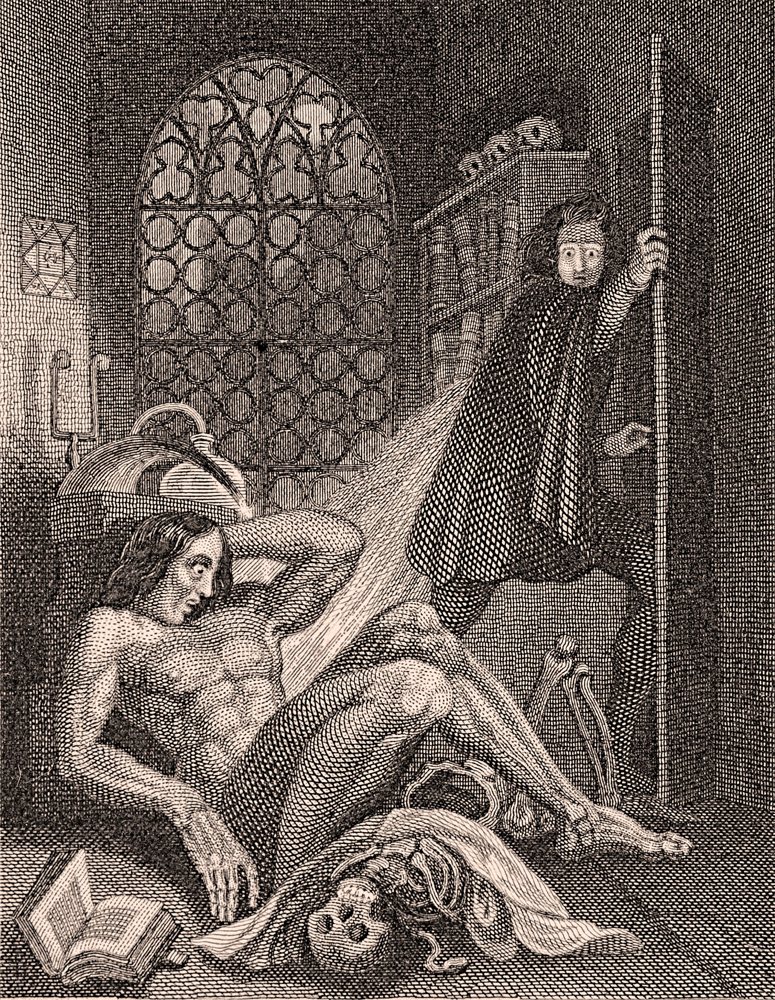
The 1831 Frankenstein frontispiece: Victor Frankenstein fleeing as his creature wakes on the laboratory floor.
Frontispiece to the 1831 Frankenstein, engraving after Theodor von Holst (public domain)
1

The Real-Life Places That Inspired Frankenstein

(Smithsonian Magazine).

Mount Tambora's 1815 eruption helped chill 1816 into a "year without summer," keeping Mary Godwin (later Mary Shelley), Percy Shelley, Byron and John Polidori indoors near Geneva telling ghost stories. Shelley's creature and Polidori's The Vampyre were both born there.

2

On the Twisted Trail of Bram Stoker's Notes for 'Dracula'

(Mental Floss).

Stoker built Dracula over seven years, scribbling notes on scraps of Lyceum letterhead and hotel stationery. The notes passed through American collectors and dealers until Philadelphia's Rosenbach Museum and Library acquired them in 1970.

The cholera connection: Sligo, 1832

3

Life under lockdown: the 1832 cholera epidemic as seen by Charlotte Stoker

(Irish Humanities Alliance).

Charlotte Thornley, 14, sat out Sligo's 1832 outbreak in lockdown; her unpublished 1873 account, Experiences of the Cholera in Ireland, is held at Trinity College Dublin. Sligo's first official victim died on 11 August, the date, historian Marion McGarry notes, of the novel's first attack on Lucy in Whitby.

4

Academics find Dracula was partly inspired by Sligo

(RTÉ News).

Historian Dr Marion McGarry argues Count Dracula can be partly read as a personification of the epidemic, which killed an estimated 1,500 people in six weeks, citing parallels like a storm before the first death and real stories of people buried before they were dead.

Charlotte told young Bram stories of the epidemic and later wrote her own account. That it shaped Dracula is a scholarly reading built on parallels in the text, not a documented fact.

5

Whose Dracula is it Anyway? Deane, Balderston and the "World Famous Vampire Play"

(Journal of Dracula Studies, Kutztown University).

The caped, courtly Count was born on the stage, and Anne-Marie Finn shows how Hamilton Deane's 1924 play, written in four weeks, and John L. Balderston's Broadway rewrite dropped more than half the novel and even turned Quincey Morris into a woman.

6

From the National Film Registry: "Drácula" (1931)

(Library of Congress blog).

Tod Browning shot by day; when he finished, George Melford's crew took over the same set, with a Spanish-speaking cast, and even used Browning's alternate takes. Their version runs almost 30 minutes longer and joined the Registry in 2015.

7

Try as she might, Bram Stoker's widow couldn't kill 'Nosferatu'

(NPR).

Florence Stoker saw "adapted from Bram Stoker's Dracula" on the Berlin premiere program and fought a years-long legal battle. A German court ordered the prints destroyed, but copies survived, and today's Nosferatu is pieced together "almost frame by frame."

8

Jack Pierce

(University of Pennsylvania).

Universal's makeup chief says three months of research in anatomy, surgery and burial customs led him to make the head flat because a non-surgeon would open the skull "like a pot lid." The costume weighed 48 pounds, and the page notes the image remains Universal's property.

Coming attractions

Coming before Jan 1

The full 1931 class: City Lights, Pluto, The Good Earth, M (U.S.-only!), "As Time Goes By" (the song; 1931 recordings wait until 2032).

Know someone who'd like this? Forward it along, or send them to commonscut.com to subscribe free.
A new issue arrives every Tuesday at 6am PT.

Subscribe free

All issues · Read the strange stories behind familiar classics · Dracula and Frankenstein stories